
The psychology behind gambling seven tricks that keep you hooked
The Allure of Risk and Reward
The psychology of gambling is deeply rooted in the thrill of risk and reward. Gamblers often find themselves drawn to the potential for large payouts, which can stimulate the brain’s reward centers. This excitement is not just about winning money; it’s about the rush that comes with risking something for the possibility of gaining something greater. The more uncertain the outcome, the more exhilarating the experience can be, creating a compelling urge to keep playing. It’s no wonder that many players seek the best online casino australia to enhance their gaming experience.
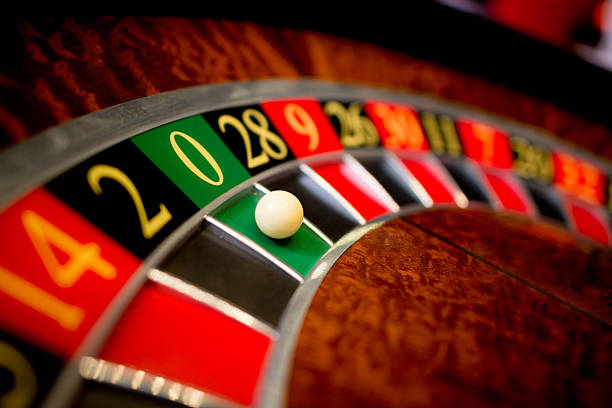
This risk-reward dynamic can lead to a cycle of behavior where players continually seek out new opportunities to gamble. Even when they face losses, the anticipation of a potential win can override the negative feelings associated with previous losses. This cognitive dissonance is a powerful driver, fostering a repetitive gambling habit that can be hard to break.
The Illusion of Control
Many gamblers operate under the illusion that they can influence the outcome of a game through their actions or strategies. This belief, often referred to as the “illusion of control,” can lead individuals to engage in gambling more frequently. For example, players might think that by employing certain strategies or choosing specific times to gamble, they can tilt the odds in their favor.
This psychological phenomenon is particularly prevalent in games where skill is involved, such as poker or blackjack. Players may feel that their decisions directly impact the results, reinforcing their engagement. However, this sense of control is largely misguided, as many games ultimately depend on chance, which can lead to unrealistic expectations and continued play despite losses.
The Role of Cognitive Biases
Cognitive biases play a significant role in how gamblers perceive their experiences. One common bias is the “gambler’s fallacy,” where individuals believe that past outcomes affect future results. For example, a player might think that a slot machine is “due” for a payout after a series of losses, prompting them to keep playing in hopes of a win.
These biases can create a distorted view of reality, making it difficult for players to recognize when they should stop. By overestimating their chances of winning, gamblers may find themselves entrapped in a cycle of play, often chasing losses and exacerbating their financial situation.
The Social Aspect of Gambling
Gambling is often a communal activity, further enhancing its psychological appeal. Many people enjoy the social interactions that accompany gambling, whether it be at a casino with friends or online with fellow players. This social aspect can serve as a strong motivator to continue participating in gambling activities, as individuals often seek the camaraderie and shared excitement of playing together.
Moreover, social interactions can lead to increased risk-taking. When surrounded by others who are also gambling, individuals may feel more emboldened to make larger bets or continue playing despite losses. This dynamic can create a reinforcing loop where the social thrill amplifies the desire to gamble, making it a compelling experience.
Choosing the Right Online Casino Experience
When it comes to finding the ideal online gambling experience, it’s crucial to choose reputable platforms that prioritize player safety and enjoyment. Reliable online casinos offer a variety of games, quick payment processes, and robust customer support, allowing players to focus on the fun aspects of gaming without worrying about security or fairness.
Additionally, understanding the psychological triggers that keep players engaged can help individuals make more informed choices. By recognizing the tactics used by casinos to captivate their audience, players can take steps to gamble responsibly and enjoy their experience without falling prey to the pitfalls of addiction.